

Understanding Employee Training: A Guide to Strategic Upskilling


- Employee training is a structured learning process designed to improve employees’ knowledge, technical skills, workplace capabilities, and operational readiness for their roles.
- Common examples of employee training include onboarding programs, leadership training, compliance education, technical system training, soft skills development, and digital learning initiatives.
As organizations scale across functions, regions, and increasingly digital workflows, maintaining workforce capability becomes far more challenging than simply hiring qualified employees.
Teams are expected to adapt quickly to changing technologies, evolving compliance requirements, operational restructuring, and higher performance expectations while maintaining execution consistency across departments.
At the same time, employees increasingly expect learning opportunities that support both immediate role effectiveness and long-term career growth.
This has transformed employee training from a periodic administrative initiative into a continuous operational priority closely connected to productivity, workforce adaptability, leadership readiness, and employee retention.
This article will explore employee training trends, types, business impact, and practical strategies for building more effective workforce learning programs.
What Is Employee Training?
Employee training is a structured process designed to equip employees with the knowledge, technical capabilities, behavioral competencies, and operational understanding required to perform their roles consistently and effectively.
It covers both foundational learning for new hires and continuous capability building for existing employees as business priorities, technologies, and workforce expectations evolve.
Training initiatives typically include role-specific instruction, compliance education, systems adoption, leadership preparation, communication skills, and process standardization.
In many companies, employee onboarding serves as the first formal training stage, introducing employees to workflows, performance expectations, internal policies, and collaboration practices across teams.
Well-designed training programs are closely connected to operational outcomes. They support productivity consistency, strengthen employee engagement, reduce execution errors, accelerate adaptation during organizational change, and improve long-term workforce readiness.
Training also influences broader people metrics such as employee retention, internal mobility, and succession stability.
History of Employee Training
Employee training has evolved alongside changes in labor systems, industrialization, technology, and workforce expectations.
• Hands-on mentorship
• Long-term skill transfer
• Observation & repetition
• Standardized procedures
• Operational efficiency focus
• Structured task instruction
• Corporate universities
• Leadership development
• Formalized training systems
• Mobile & remote learning
• Real-time analytics
• Continuous workforce upskilling
Early forms of training can be traced back to apprenticeship systems in medieval trade guilds, where craftsmen transferred practical skills directly through observation, repetition, and supervised work. These models emphasized mastery through hands-on experience and long-term mentorship.
The Industrial Revolution significantly transformed workforce training. As factories expanded and production systems became standardized, companies needed faster methods to prepare large numbers of workers for specialized tasks.
Training shifted from informal learning to structured instruction focused on consistency, productivity, and operational safety.
During this period, principles associated with management by objective and scientific management heavily influenced how work procedures were taught and measured.
By the mid-20th century, employee training became more formalized through classroom programs, corporate universities, and standardized instructional design.
Global expansion, technological advancement, and post-war industrial growth increased demand for continuous workforce upskilling.
Organizations also began connecting training outcomes with broader workforce indicators such as performance appraisal, productivity benchmarks, and leadership readiness.
The digital era reshaped training once again through e-learning, mobile learning, virtual simulations, and integrated learning management system.
Modern training programs now support rapid reskilling, software adoption, compliance management, leadership pipelines, and global collaboration across distributed teams.
Training has also become closely tied to employee experience and employer branding, particularly as employees increasingly expect ongoing career development opportunities as part of long-term employment value.
Why Is Employee Training Important?
Employee training plays a critical role in maintaining operational consistency, workforce adaptability, and long-term organizational performance.
Below are several key reasons why employee training remains a fundamental component of sustainable workforce management.
1. Strengthens Operational Consistency Across Teams
As organizations grow, maintaining consistent execution standards becomes significantly more challenging. Different teams may develop their own working methods, interpretations of procedures, or informal practices that gradually create operational fragmentation.
Structured employee training helps standardize workflows, decision-making processes, communication protocols, and compliance practices across departments.
This becomes especially important during periods of rapid hiring, business expansion, technology migration, or organizational restructuring.
Well-designed training programs also reduce dependency on informal knowledge transfer between employees. In many companies, operational disruptions occur because critical knowledge exists only within a small number of experienced employees.
Training documentation, process simulations, and standardized learning frameworks help distribute institutional knowledge more sustainably across the workforce.
2. Accelerates Workforce Adaptability During Change
Most organizational transformation initiatives require employees to adopt new systems, workflows, reporting structures, or collaboration models within relatively short timeframes.
Even well-designed strategic initiatives can slow down when employees lack sufficient preparation or operational clarity.
Employee training helps reduce transition friction by preparing employees before operational changes are fully implemented.
This includes system adoption training, process redesign education, role transition preparation, and managerial alignment sessions.
Organizations that invest early in workforce readiness often experience smoother implementation cycles during digital transformation, mergers, restructuring initiatives, or operational expansion.
Training also helps managers identify capability gaps earlier, making it easier to intervene before performance deterioration affects broader business operations.
In some cases, targeted training programs are integrated with a performance improvement plan when employees require additional support to meet evolving role expectations or newly introduced operational standards.
3. Supports Long-Term Workforce Stability
Employee training contributes directly to workforce stability by helping employees feel capable, supported, and prepared to grow within the organization.
Employees who consistently receive learning opportunities often demonstrate stronger engagement with their work, greater confidence in role execution, and higher willingness to adapt to evolving responsibilities.
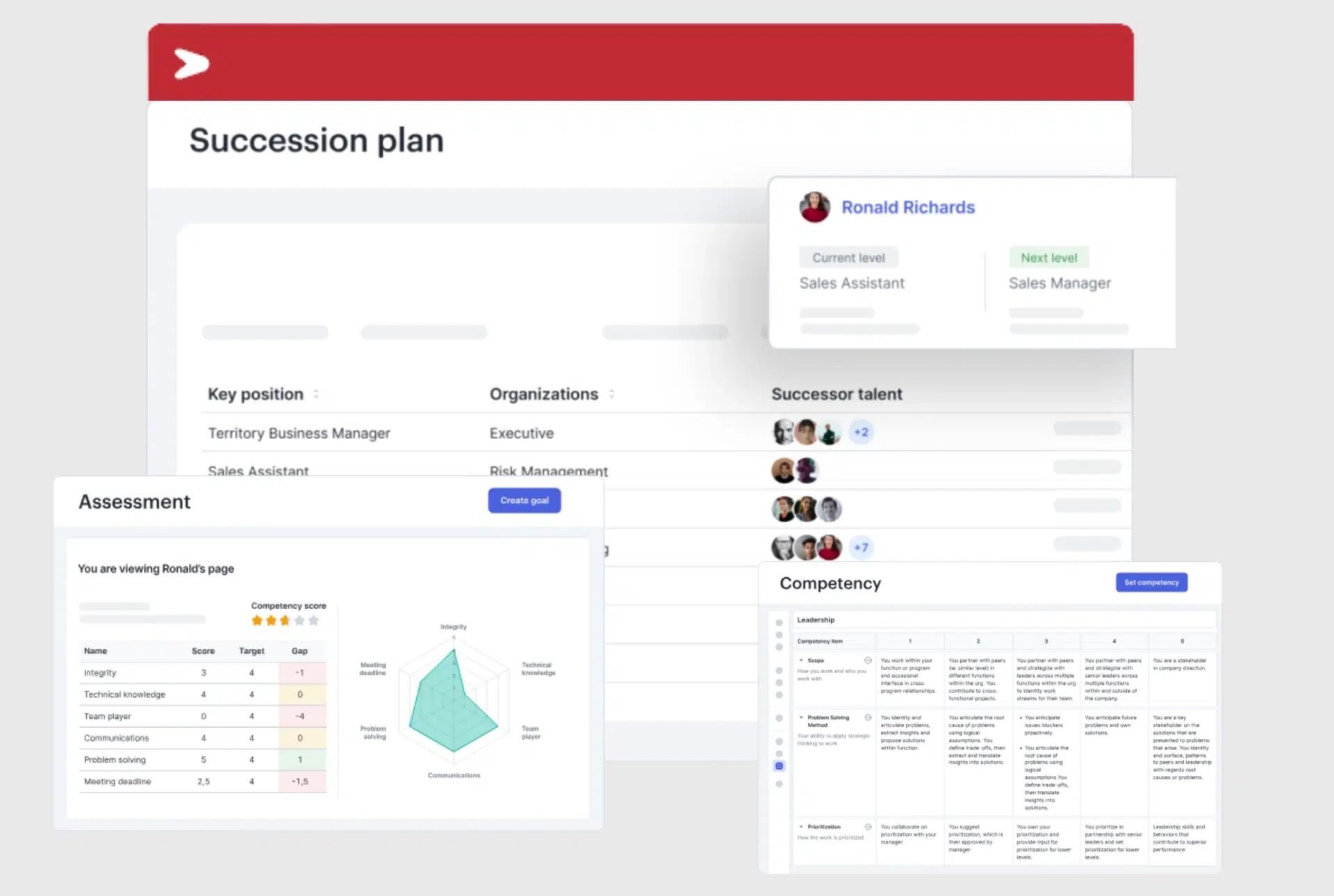
Training also supports internal mobility and succession continuity. Employees who develop broader competencies over time are more likely to transition into leadership positions or specialized business functions without requiring extensive external recruitment.
Organizations that underinvest in workforce development frequently experience capability stagnation, slower leadership pipeline growth, and increased vulnerability to employee attrition in critical functions.
The Benefits of Strong Employee Training Programs
Employee training creates measurable impact across productivity, workforce stability, operational consistency, and long-term organizational growth.
Below are several measurable outcomes consistently associated with robust employee training programs.
1. Higher Productivity and Operational Performance
Organizations with mature training programs consistently report stronger workforce productivity and financial performance.
Structured learning initiatives help employees execute tasks more efficiently, reduce operational errors, adapt faster to new systems, and maintain higher quality standards across teams.
These outcomes are particularly visible during periods of transformation, where workforce readiness directly influences implementation speed, adoption quality, and operational continuity.
2. Stronger Employee Retention and Workforce Stability
Training programs also play a major role in workforce retention and long-term employee commitment.
Employees who receive consistent learning opportunities also often feel more confident in their roles, more connected to organizational growth opportunities, and more prepared for future responsibilities.
This becomes increasingly important as the financial impact of employee turnover continues to rise. Replacing employees often involves substantial costs related to recruitment, onboarding, lost productivity, and capability gaps before new hires reach full performance levels.
3. Improved Employee Engagement and Workforce Adaptability
Effective training programs contribute significantly to employee engagement because employees tend to feel more supported when organizations invest in their professional growth.
Learning opportunities also improve employees’ confidence when adapting to changing technologies, workflows, operational structures, and evolving business expectations.
Employees who receive consistent training are generally more prepared to respond to organizational change without experiencing significant disruption in day-to-day performance.
Employee Training vs. Talent Development
Employee training and talent development are often used interchangeably, even though both serve different workforce objectives.
The distinction becomes increasingly important as workforce planning grows more sophisticated. Organizations that clearly separate training and development strategies tend to build stronger leadership pipelines, improve workforce adaptability, and create more sustainable internal mobility structures.
| Aspect | Employee Training | Talent Development |
|---|---|---|
| Primary Focus | Improving current job performance and operational execution | Preparing employees for future responsibilities and long-term growth |
| Time Horizon | Short to medium term | Long term and continuous |
| Learning Scope | Role-specific technical, operational, or compliance skills | Leadership, strategic thinking, communication, and cross-functional capabilities |
| Measurement | Productivity improvement, completion rates, operational accuracy, and skill proficiency | Leadership readiness, succession depth, career mobility, and long-term capability growth |
| Typical Format | Workshops, onboarding sessions, compliance modules, and software training | Mentorship, leadership programs, stretch assignments, coaching, and job rotation |
| Organizational Objective | Ensuring operational consistency and workforce readiness | Building future leadership pipelines and strengthening organizational capability |
Training initiatives are usually operational, role-specific, and measurable within shorter timeframes. Development initiatives are typically broader, continuous, and closely connected to leadership readiness, succession planning, and long-term capability building.
In practice, effective workforce strategies usually integrate both approaches simultaneously.
Read also: A Complete Guide of Succession Planning – Process, Strategy, Example
Types of Employee Training
Employee training can take many forms depending on organizational priorities, workforce structure, operational requirements, and long-term capability goals.
Different training types are designed to address specific business needs, ranging from improving technical execution and compliance readiness to strengthening leadership capability and workforce adaptability.
Below are several common types of employee training widely implemented across modern workplaces, along with examples of how each training type is commonly applied.
Onboarding Training
Technical Skills Training
Compliance Training
Leadership Training
Soft Skills Training
Product and System Training
Reference: 16 Types of Empoloyee Training Program to Drive Performance Growth
Employee Training Trends
Workforce training has changed significantly over the past decade as organizations adapt to digital transformation, changing workforce expectations, distributed work models, and accelerated business cycles.
Several major trends are currently shaping how employee training programs are designed and implemented across industries.
1. AI-Powered Personalized Learning
Employee training is increasingly shifting away from standardized learning paths toward personalized development models powered by AI and workforce analytics.
Training platforms can now recommend learning modules based on role requirements, skill gaps, project exposure, certification history, and career progression patterns.
This shift is changing how organizations approach workforce capability planning. Instead of assigning identical training content to entire departments, learning programs are becoming more targeted and role-sensitive.
Employees in finance, operations, engineering, sales, and people management often receive different learning journeys even when they participate in the same broader transformation initiative.
2. Continuous Upskilling and Reskilling
Rapid technology adoption has shortened the lifecycle of many workplace skills. Organizations are responding by building continuous upskilling and reskilling frameworks instead of relying on periodic annual training cycles.
Learning strategies increasingly focus on adaptability, digital literacy, AI fluency, cybersecurity awareness, data interpretation, and cross-functional collaboration.
Technical capabilities remain important, but many companies are also strengthening communication, critical thinking, and decision-making skills as automation expands into operational workflows.
3. Blended Learning Becomes the Standard
Traditional classroom-only training models are gradually being replaced by blended learning ecosystems that combine instructor-led sessions, virtual workshops, self-paced digital learning, collaborative learning groups, and on-the-job practice.
Hybrid work environments accelerated this transition. Employees now expect flexible access to learning materials across locations, time zones, and devices.
As a result, training programs increasingly prioritize accessibility, modular learning structures, and mobile-friendly content delivery.
4. Training Is Becoming More Data-Driven
Learning effectiveness is now measured more rigorously through participation analytics, skill progression tracking, operational performance indicators, and business impact measurement.
Training leaders are increasingly expected to demonstrate how workforce learning contributes to productivity improvement, leadership readiness, compliance consistency, software adoption, and operational quality. This has increased demand for integrated learning analytics connected to broader workforce systems.
Organizations are also using training data to identify emerging capability gaps before they create operational disruption.
In many cases, learning data has become an early indicator for workforce risks related to employee attrition, leadership pipeline shortages, and capability concentration within specific teams.
Baca juga: Data-Driven HR: Definition, Benefits, and Practical Implementation
4. AI Literacy Is Becoming a Core Workforce Requirement
AI literacy has rapidly evolved from a specialized technical competency into a broader workforce expectation. Many organizations now provide foundational AI education across functions, including employees outside technical roles.
Training programs increasingly focus on practical AI adoption, responsible AI usage, prompt structuring, workflow integration, data interpretation, and human oversight capabilities.
Companies are also training managers to redesign workflows where employees collaborate alongside AI-supported systems rather than treating AI as a standalone tool initiative.
5. Multi-Generational Learning Strategies Are Becoming More Important
Workforces today often consist of employees from multiple generations working within the same operational environment, including Baby Boomers, Generation X, Millennials, and Generation Z.
Each group typically has different learning preferences, communication styles, technology familiarity, and expectations toward workplace development.
As a result, organizations are increasingly redesigning training programs to accommodate more diverse learning behaviors rather than relying on a single training format for all employees.
Younger employees often prefer mobile-friendly learning, shorter learning modules, interactive content, and self-paced digital access.
Meanwhile, more experienced employees may prefer instructor-led sessions, collaborative discussion, structured documentation, or practical demonstrations supported by direct guidance.
This shift has accelerated the adoption of flexible and blended learning ecosystems that combine digital learning, instructor-led training, peer collaboration, mentoring, and experiential learning formats simultaneously.
Organizations that successfully adapt training strategies for multi-generational workforces often achieve stronger learning participation, higher knowledge retention, and better engagement across different workforce segments.
Read also: 10 Recruitment Strategies for Multi-Generational Workforce in Today’s Workplace
Best Practices and Strategies for Effective Employee Training
As stated before, employee training programs have become significantly more complex as organizations manage hybrid work environments, accelerated technology adoption, AI integration, multi-generational workforces, and increasing pressure for operational agility.
As a result, effective training strategies are no longer centered around one-time workshops or static learning modules.
Below are several practical strategies widely used to improve the effectiveness of employee training programs.
1. Align Training With Business Priorities and Operational Gaps
One of the most common mistakes in workplace training is designing programs based on generic learning catalogs rather than actual operational needs.
Training becomes significantly more effective when it is connected directly to business challenges, workforce capability gaps, and performance expectations.
Before launching training initiatives, organizations should first identify where operational friction exists. This may include recurring productivity issues, software adoption challenges, inconsistent service quality, leadership bottlenecks, compliance risks, or collaboration inefficiencies between teams.
Effective training programs usually begin with workforce analysis rather than content selection. Many organizations now conduct capability mapping exercises to identify which skills are becoming increasingly critical across departments.
This approach helps prioritize training investment more strategically instead of distributing learning budgets evenly across all functions.
Training objectives should also be measurable. Organizations increasingly align learning initiatives with workforce KPIs, operational metrics, and objective key results to ensure training outcomes contribute to broader organizational goals.
2. Shift From One-Time Training to Continuous Learning
Traditional “one-and-done” training sessions often produce low long-term knowledge retention because employees rarely apply all information immediately after training completion.
Modern learning strategies increasingly prioritize continuous learning models that distribute knowledge gradually over time.
This shift is especially important as technologies, systems, and workflows evolve more rapidly than before. Employees are expected to adapt continuously rather than participate in isolated annual learning events.
Many organizations are redesigning training delivery using smaller learning modules, ongoing reinforcement exercises, practical simulations, and workflow-based learning experiences.
Microlearning formats have become particularly effective because employees can consume shorter training materials without significantly disrupting operational productivity.
Continuous learning environments also improve long-term adaptability. Employees who regularly engage in ongoing learning activities generally respond faster to system changes, organizational restructuring, and evolving business priorities.
3. Personalize Learning Paths Based on Role Requirements
Training effectiveness declines significantly when employees receive generic learning content unrelated to their responsibilities. This is one reason why AI-powered personalized learning has become a major workplace training trend.
Rather than assigning identical training modules to entire departments, many organizations now tailor learning journeys based on role complexity, skill gaps, career progression stage, and business function requirements.
For example, finance employees may require training related to compliance automation and analytics tools, while managers may need coaching on decision-making, workforce planning, and performance conversations.
Technical teams may prioritize software certification and system integration capabilities, whereas customer-facing teams often focus more heavily on communication and relationship management skills.
Personalization also improves training engagement because employees are more likely to participate consistently when learning content feels directly relevant to their day-to-day responsibilities.
Organizations increasingly use a learning management system to centralize personalized learning recommendations, certification tracking, role-based competency mapping, and learning analytics across distributed teams.

4. Integrate Managers Into the Training Process
Training programs become far more effective when managers actively participate in workforce development instead of treating training as an isolated HR responsibility.
In many organizations, learning failure occurs because employees complete formal training sessions but receive little reinforcement afterward from direct supervisors. Without managerial involvement, newly learned skills often fail to translate into operational behavior changes.
Managers play a critical role in reinforcing learning application through coaching, delegation, feedback, and day-to-day performance monitoring.
Effective organizations train managers to support learning transfer by discussing development goals during regular check-ins, assigning stretch responsibilities, and monitoring behavioral improvement after training completion.
This approach becomes particularly important during leadership development, digital transformation initiatives, and organizational restructuring where employee uncertainty can slow down capability adoption.
5. Combine Multiple Learning Formats
Different employees absorb information differently, which is why blended learning strategies have become increasingly important. Relying exclusively on classroom sessions or static e-learning modules often limits learning effectiveness.
Modern training programs typically combine several learning methods simultaneously, including:
- Self-paced digital learning
- Instructor-led workshops
- Interactive simulations
- Peer collaboration sessions
- On-the-job practice
- Coaching and mentoring
- Scenario-based exercises
Blended learning approaches improve both flexibility and knowledge retention because employees can engage with learning content through multiple formats over time.
This strategy is especially useful for geographically distributed teams and hybrid workforces where employees may have different schedules, operational environments, and learning preferences.
6. Measure Training Effectiveness Beyond Completion Rates
Many organizations still evaluate training success primarily through attendance records or module completion rates. While these metrics are useful administratively, they provide limited insight into whether learning actually improves workforce capability.
Effective training measurement should focus on operational outcomes and behavioral change after training implementation.
Organizations increasingly track metrics such as productivity improvement, software adoption speed, error reduction, internal mobility, promotion readiness, compliance consistency, and manager feedback to evaluate training effectiveness more accurately.
Learning analytics are also becoming more integrated with broader workforce systems such as performance appraisal processes, workforce planning dashboards, and succession planning frameworks.
This allows organizations to identify which training initiatives produce measurable operational impact and which programs require redesign or additional reinforcement.
7. Build Training Around Real Operational Scenarios
Employees retain knowledge more effectively when training reflects actual workplace conditions rather than abstract theoretical instruction.
This is why scenario-based learning, simulations, and workflow-driven training have become increasingly common across industries.
Instead of focusing only on information delivery, modern training programs often replicate operational situations employees are likely to encounter in real work environments.
For example, managers may participate in simulated conflict resolution exercises, cybersecurity training may involve phishing simulations, and customer-facing teams may practice handling difficult client interactions through role-play scenarios.
Practical learning environments improve decision-making confidence because employees can apply concepts immediately within realistic contexts.

Frequently Asked Questions (FAQs)
What is the difference between employee training and knowledge sharing?
What is the difference between employee training and knowledge sharing?
Employee training is typically structured, measurable, and designed around specific learning objectives or operational goals. Knowledge sharing is usually more informal and occurs through collaboration, mentoring, documentation, or peer discussions within teams. Both are important because formal training builds standardized capability, while knowledge sharing helps distribute practical experience and institutional knowledge across the workforce. Organizations with strong learning cultures often combine both approaches simultaneously.
How often should employee training programs be updated?
How often should employee training programs be updated?
Training programs should be reviewed regularly, especially when organizations introduce new technologies, workflows, compliance requirements, or operational structures. Many companies now evaluate learning materials quarterly or biannually to ensure training content remains relevant to current business conditions. Technical and compliance-related training often requires more frequent updates due to rapid regulatory and technology changes. Outdated learning content can reduce employee trust in training effectiveness and slow operational adoption.
What are common signs that employee training is ineffective?
What are common signs that employee training is ineffective?
Several indicators often suggest training programs are not delivering meaningful workforce impact. These include low knowledge retention, recurring operational mistakes, weak system adoption, inconsistent execution across teams, and limited behavioral improvement after training completion. High training completion rates alone do not necessarily indicate effective learning outcomes. Organizations increasingly evaluate effectiveness through operational performance improvements rather than participation metrics alone.
How can organizations measure training ROI more effectively?
How can organizations measure training ROI more effectively?
Training ROI is usually measured by analyzing operational outcomes before and after training implementation. Common indicators include productivity improvement, error reduction, software adoption speed, employee retention, customer satisfaction, internal mobility, and leadership readiness. Some organizations also connect learning metrics with workforce analytics and business KPIs to evaluate broader organizational impact. Measuring ROI becomes more accurate when training objectives are clearly defined before programs begin.
Why is personalized training becoming more important?
Why is personalized training becoming more important?
Workforces today consist of employees with different roles, skill levels, career goals, and learning preferences. Generic training programs often result in lower engagement because employees may receive content unrelated to their responsibilities. Personalized learning paths help employees focus on skills that directly support their day-to-day work and long-term development goals. Advances in AI and workforce analytics are also making personalized learning programs easier to scale across large organizations.