




- Centralized HR data refers to a unified system in which employee information is managed within a single integrated ecosystem.
-
Centralizing HR data offers strategic advantages that go beyond administrative efficiency. One of them is unified workforce visibility.
Many organizations have already adopted HR software. Attendance may be digital. Payroll may be processed through a system. Performance reviews may be conducted online.
Yet despite these digital tools, workforce data often remains fragmented.
Attendance data may sit in one system, payroll in another, and performance records in a separate platform. Some business units maintain their own HR databases. Reporting frequently requires manual consolidation through spreadsheets.
As organizations grow, adding new entities, locations, or departments, this fragmentation becomes more problematic. Decision-making slows down. Reporting becomes inconsistent. Governance risks increase.
Centralized HR data addresses this challenge by creating a structured, unified workforce data foundation that supports scalable workforce management.
What Is Centralized HR Data?
Centralized HR data refers to a unified system where employee information, payroll, attendance, performance records, and workforce analytics are managed within one integrated ecosystem.
It does not necessarily mean replacing every system in use. Instead, it means establishing a single source of truth: a central HR data hub that ensures consistency across platforms and business units.
In complex organizations with distributed teams or multi-entity structures, centralized data provides visibility across locations. Leadership teams gain access to consolidated workforce information without relying on manual reconciliation.
Centralized HR data supports operational clarity, governance consistency, and strategic workforce planning.
Read more: Payroll Compliance 2026: A Complete Guide for HR & Finance Teams
The Business Risks of Fragmented HR Systems

Fragmented HR systems introduce operational inefficiencies and governance risks that often go unnoticed until organizations scale. It is not merely an operational inconvenience. It is a structural risk.
Duplicate employee records across systems are common when multiple platforms are used independently. Inconsistent payroll calculations between entities may arise when policies are applied differently or when attendance and payroll systems do not integrate properly.
Manual data consolidation slows reporting. HR teams may spend significant time reconciling payroll reports, aligning headcount data, or correcting discrepancies before submitting reports to finance.
Research from Deloitte’s Global Human Capital Trends has highlighted that organizations struggle with workforce data integration, noting that fragmented systems reduce visibility and slow strategic workforce decisions.
In practical terms, HR teams in mid-to-large organizations often spend more than 20 hours per month reconciling payroll and attendance data from multiple systems.
Inefficiencies caused by duplicate HR processes can result in operational losses of up to USD 10,000 annually in administrative overhead for growing organizations.
Limited visibility into workforce performance also affects business agility. Leadership cannot easily identify absenteeism trends, cost spikes, or productivity patterns if data is scattered.
Compliance risk increases when outdated or mismatched employee records are used for regulatory reporting. Inconsistent data can lead to reporting errors and audit challenges.
Key Benefits of a Centralized HR System
Centralizing HR data offers strategic advantages that go beyond administrative efficiency. Here are the key benefits:
1. Unified workforce visibility
Leadership teams can access employee data across departments, locations, or entities within one centralized dashboard. This improves alignment between HR, finance, and operations.
2. Faster, real-time decision-making
With integrated HR analytics, leaders no longer need to wait for manually consolidated reports. Updated workforce data can be accessed instantly to support timely decisions.
3. Reduced administrative workload
Manual reconciliation and duplicate data entry decrease significantly. HR teams can shift focus from administrative tasks to more strategic initiatives.
4. Consistent governance across business units
Approval workflows, role hierarchies, and compensation structures can be standardized. This strengthens organizational control and policy consistency.
5. Stronger data accuracy and reporting reliability
A single source of truth minimizes discrepancies and enhances audit readiness. Reporting becomes more consistent and dependable.
Organizations that centralize workforce data often experience improved workforce planning capabilities and greater operational transparency.
Read more: Understanding On-Cycle vs Off-Cycle Payroll: Key Differences and When to Use Each
When to Implement Centralized HR Data?
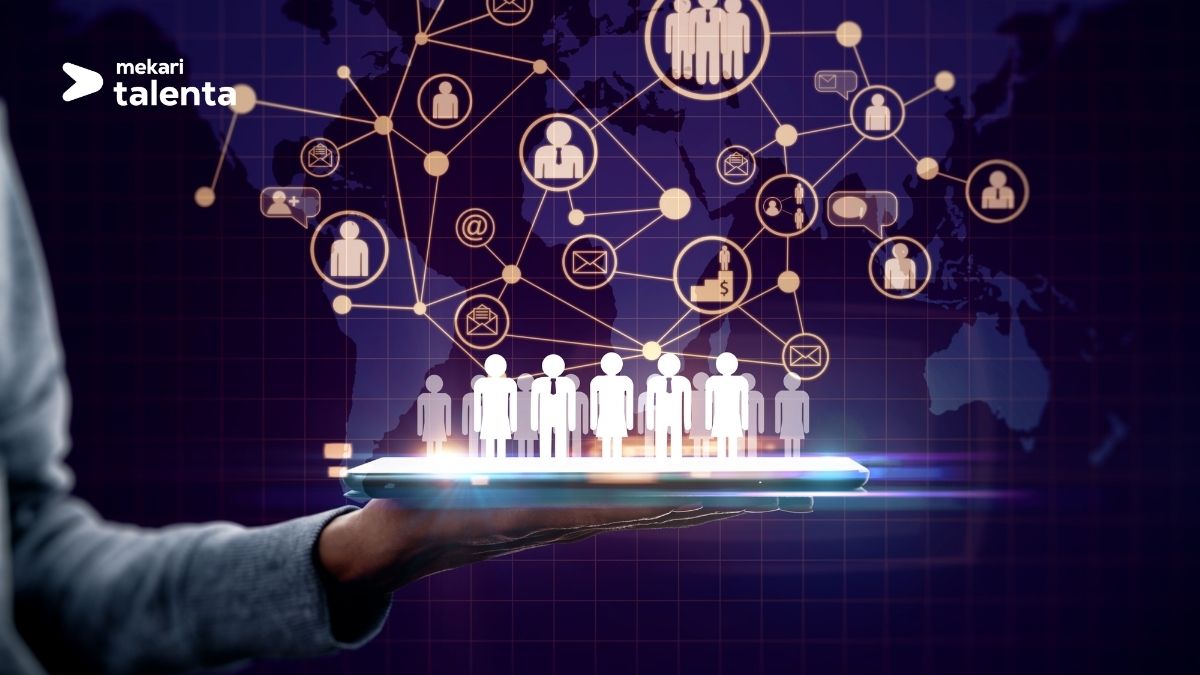
Not every organization immediately requires a centralized HR structure. However, certain indicators suggest it may be necessary.
If multiple HR tools operate independently and do not communicate with each other, fragmentation risk increases.
Frequent manual reporting or spreadsheet consolidation is another signal. When HR teams spend excessive time preparing reports instead of analyzing them, centralization becomes valuable.
Rapid workforce expansion or the creation of new business units often introduces data inconsistencies. Without centralized oversight, policies and records diverge across entities.
Organizations that struggle to maintain consistent HR policies across locations may benefit from unified systems.
Additionally, when leadership demands deeper workforce analytics and strategic insight, centralized HR data becomes critical.
How to Consolidate HR Data Strategically
Consolidating HR data requires structured planning rather than abrupt system replacement.
1. Identify All Existing HR Data Sources
Map current systems used for attendance, payroll, recruitment, performance, and employee records. Understanding where fragmentation occurs is the first step toward integration.
2. Establish a Single Source of Truth
Define which platform will function as the central HR data hub. This platform should support consistent reporting across entities and eliminate duplicate records.
3. Standardize Data Structures and Workforce Policies
Align job levels, employee categories, organizational hierarchies, and compensation frameworks before consolidation. Standardization prevents inconsistencies during integration.
4. Clean and Consolidate Legacy HR Data
Review duplicate employee profiles, outdated records, and inconsistent payroll entries. Data cleansing ensures long-term reporting reliability.
5. Strengthen Data Governance and Access Control
As data becomes centralized, role-based permissions and approval hierarchies must be clearly defined. Audit trails enhance transparency and security.
Read more: Preventing Compliance Audit Failures with HRIS
6. Enable Real-Time HR Analytics and Workforce Visibility
Centralized dashboards allow leadership teams to monitor workforce trends and labor costs more accurately.
7. Adopt an Integrated HR Platform to Support Long-Term Scalability
Sustainable centralization often requires moving toward an integrated HR ecosystem that connects attendance, payroll, performance, and analytics within one platform.
An example of such an integrated approach is Mekari Talenta, a comprehensive HRIS solution designed to unify fragmented HR data and improve cross-department visibility.
Mekari Talenta supports centralized HR data through:
- A unified employee database with automated HR workflows
- Integrated attendance, payroll, and performance management
- Real-time HR analytics dashboards
- Secure, scalable infrastructure aligned with ISO 27001 standards
- Integration within the Mekari integrated software ecosystem
By consolidating workforce data within one ecosystem, organizations can reduce manual consolidation, strengthen governance, and improve operational visibility.
Conclusion
As organizations grow more complex, fragmented HR systems create operational bottlenecks and governance risks.
Centralized HR data provides a strategic foundation for scalable workforce management. It improves visibility, enhances reporting reliability, and strengthens decision-making across departments.
Rather than viewing centralization as a technical upgrade, organizations should see it as a structural investment in workforce governance and long-term scalability.
If your organization is evaluating how to unify fragmented HR systems and build a centralized workforce data structure, you can schedule a demo and contact us to explore how integrated platforms like Mekari Talenta support scalable HR transformation.