





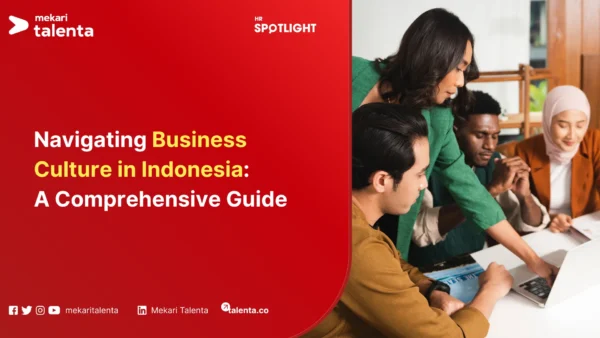
- Indonesian business culture is deeply rooted in building strong personal relationships, respecting strict corporate hierarchy, and maintaining interpersonal harmony.
- Navigating the dynamic domestic market successfully requires intense cultural sensitivity, strict labor law compliance, and strategic local partnerships.
How was the condition of business culture in Indonesia? Let’s talk a little bit more about it.
Indonesia is a very diverse country and has more distinct cultures. This diversity that consists of different cultures, belief systems, and also languages make business owners and professionals working in Indonesia face confusing and sometimes unexpected situations.
The always changing government regulation is also one of the things that need to be kept in mind for every stakeholder. Thus in order to succeed, business in Indonesia has to be approached differently.
By understanding business culture in Indonesia, you can gain trust and access new potential in order to succeed in the Indonesian market.
How Indonesians conduct business

Indonesians conduct business with a strong emphasis on building personal relationships and demonstrating respect for hierarchy and etiquette.
Indonesia business culture meetings often begin with polite greetings and small talk, allowing time to establish rapport.
Decision-making can be hierarchical, with seniority playing a significant role. Indonesians value indirect and polite communication, avoiding direct confrontation or saying “no” outright to save face.
Building trust and long-term relationships is a priority, and these relationships often extend beyond business into personal life.
Adapting to local customs and demonstrating cultural sensitivity are crucial for successful business interactions in Indonesia.
Learning Indonesian business etiquette and culture
Business etiquette in Indonesia is influenced by the country’s culture, which is characterized by politeness, respect for hierarchy, and a strong emphasis on relationships.
Adhering to these cultural norms is crucial when conducting business in Indonesia. Here are some key aspects of business etiquette in the country.
Greetings and titles
- In Indonesian business culture, a handshake is a common greeting in business settings, but it’s often accompanied by a slight bow or nod.
- Use formal titles like “Bapak” (Mr.) for men and “Ibu” (Mrs.) for women, followed by their last name unless invited to use their first name.
- Address individuals with their title and last name until given permission to use their first name.
Respect for hierarchy
- Indonesian society is hierarchical, and this is reflected in business settings. Show respect for seniority and authority.
- Decisions are often made at the top levels of a company, so building relationships with senior executives can be beneficial.
Business attire
- Dress conservatively and professionally in business attire. Dark suits and ties are appropriate for men, while women should wear modest and conservative clothing.
- Avoid wearing flashy jewelry or overly casual clothing.
Punctuality
- While punctuality is appreciated, meetings may not always start on time. Be patient and flexible. In Indonesia, we know this as ‘jam karet’.
- Arriving slightly early is a sign of respect, but do not expect others to do the same.
Communication style
- Communication should be polite and indirect. Indonesians may avoid direct confrontation or saying “no” outright to avoid causing offense.
- Use a calm and composed tone, avoiding aggressive or confrontational language.
Business cards
- Exchange business cards at the beginning of a meeting with both hands and a slight bow.
- Take time to examine the card you receive before putting it away.
Gift giving
- Gift giving is common in business settings, especially during holidays or special occasions.
- Gifts should be presented with both hands, and it’s the thought that counts rather than the value of the gift.
Meetings and negotiations
- Building relationships is key to successful negotiations. Take time to get to know your counterparts before diving into business discussions.
- Meetings can be lengthy as personal relationships are often prioritized over efficiency.
Dining etiquette
- Business discussions often take place over meals. Wait for the host to start eating or give permission to begin.
- Use your right hand for eating, as the left hand is traditionally considered unclean.
Gifts and respect
- Avoid giving gifts that are white, as it symbolizes death, or anything related to pigs or dogs, which are considered impure by some Muslims.
- Show respect for local customs and traditions, especially when visiting different regions of Indonesia with diverse cultures.
Follow-up and gratitude
- After a meeting, send a thank-you note or email to express your appreciation for the opportunity to meet.
- Maintain regular communication to nurture relationships.
Language
- While Bahasa Indonesia is the official language, English is often used in business. However, learning a few basic phrases in Bahasa Indonesia can be seen as a sign of respect.
By respecting these cultural norms and showing an appreciation for Indonesian customs, you can build strong relationships and enhance your business prospects in Indonesia.
Building trust and maintaining a polite and respectful demeanor are central to successful business interactions in the country.
Important aspects of business culture in Indonesia
There are some important aspects that need to be kept in mind when doing business in Indonesia. Here are some of them.
Building business based on relationship oriented
In order to conduct business in Indonesia, there is one aspect that needs to be mindful of. Indonesian business culture emphasizes personal relationships.
You should demonstrate an honest commitment to the relationship in order to earn their trust. In their business networks, relatives and peers are often included since nepotism is considered a guarantee of success.
As a general rule, Indonesians see themselves as doing business with people and not with entities. It is more important for you to represent yourself as an individual than to represent your company.
In order to get to know you, they will ask many questions about your family and personal life. They may seem direct and overly personal at times, but they are not intended this way.
They will expect you to do the same. As a reciprocal gesture, you will show respect.
Show harmony
According to Indonesian business culture, good relations and harmony are essential to success. They’re not necessarily abiding by the concept of ‘time is money’.
Maintaining a friendly atmosphere as they meet new people. You need to keep in mind that it will take a longer time to negotiate and actually complete things. Hence, it’s becoming an art on its own to conduct business in Indonesia.
One of the things that you also need to know is that you do not need to be pushy as it might display an aggression towards the other party and can make them rather hesitant to continue the negotiation.
You have to know that Indonesians tend to be more concerned about a more fluent business negotiation.
Labor law in Indonesia
Indonesia has several laws that regulate employment in Indonesia. Some of the laws are:
- Labor Law of 2003 on Manpower as recently amended by Law No. 11 of 2020 on Job Creation and recently revoked by Government Regulation in Lieu of Law No. 2 of 2022 on Job Creation
- Law No. 21 of 2000 on Labor Union
- Law No. 2 of 2004 on Industrial Relations Dispute Settlement.
This is especially important for HR practitioners. In order to conduct business fluently, you have to comply with the mentioned labor laws, especially when hiring employees.
You also have to familiarize yourself with the labor market and also local employment practices. For example, the types of contracts and minimum wages or competitive salary for each position in the market.
To ease the HR department, you can also adapt to HRIS software like Mekari Talenta.
Mekari Talenta has many features that can make the HR process easier and more efficient.
Certain features like payroll, attendance, and time management have already complied with Indonesia’s law and regulation so you won’t have a hard time adapting.
Government relations and bureaucracy
The World Bank’s Doing Business 2018 index has ranked Indonesia 72nd as not the easiest place to conduct businesses.
This low rank is a reflection of a major hindrance when doing business in Indonesia which includes the difficulty in obtaining permits and also licenses. You have to establish good relations with government officials and agencies to facilitate smooth business operations.
You also need to be prepared for bureaucratic processes and paperwork.
Considerations when doing business in Indonesia
When doing business in Indonesia, there are several important considerations to keep in mind to navigate the market successfully.
You need to know that age and position are important factors for business culture in Indonesia. Discussions are usually led by the oldest person as leadership is paternalistic.
Nevertheless while Indonesian business is hierarchical, consensus is sought before decisions are made in order to maintain harmony.
Here are some other key factors to consider.
Cultural sensitivity
Understand and respect Indonesian culture and etiquette, which emphasizes politeness and hierarchy. You also need to build relationships which are crucial in Indonesian business culture, so invest time in networking and relationship building.
Local business partnerships
Regarding business culture in Indonesia, consider forming partnerships or alliances with local businesses, as they can provide valuable insights, contacts, and assistance in navigating the market.
Financial management
Manage your finances carefully, considering currency exchange fluctuations and local banking regulations.
You can explore financing or investment options that align with your business goals.
Market research
Conduct thorough market research to understand local consumer preferences, demand for your product or service, and your competition. Stay updated on market trends and shifts.
Infrastructure and logistics
Evaluate the local infrastructure, including transportation, utilities, and communication systems, which can vary between regions.
Plan for any logistical challenges that may impact your supply chain and operations.
Risk management
Assess and manage political, economic, and environmental risks in Indonesia. Develop a risk management strategy to mitigate potential challenges.
Diversity and regional variations
Recognize that Indonesia is a diverse country with various ethnicities, languages, and cultures. Consider these differences in your marketing and business approach.
Adaptability
Be flexible and adaptable to changing market conditions, as Indonesia’s business landscape can be dynamic.
Conclusion
Understanding business culture in Indonesia and adapting your business strategy accordingly will help you navigate the Indonesian market effectively and build a successful presence in the country.
Collaborating with local experts and building strong relationships within the business community can also be invaluable in achieving your business goals in Indonesia.
But the most important thing to consider is to reinforce the value of respecting and adapting to Indonesian business culture.
If you succeed in doing that, you can manage to build a business successfully in Indonesia.