




- Logistics workforce complexity, driven by distributed teams, shift rotations, and high turnover, requires centralized visibility and structured HR processes.
- An integrated HRIS improves attendance accuracy, payroll automation, compliance control, and real-time workforce coordination across locations.
- Mekari Talenta supports large logistics companies by centralizing workforce data, streamlining HR administration, and strengthening operational governance across distributed logistics networks.
Workforce management in logistics environments carries a higher level of operational complexity compared to many other industries.
Teams are distributed across warehouses, ports, distribution centers, and on-the-road operations. Shifts rotate around the clock. Field-based roles require mobility.
In many logistics companies, attendance tracking may vary between sites, payroll adjustments are often handled manually, and HR data is stored across separate systems. As the workforce grows, these disconnected processes create visibility gaps and coordination challenges.
Without a centralized HR system, monitoring manpower allocation, ensuring payroll accuracy, and maintaining compliance across locations becomes increasingly difficult.
Workforce Challenges in Logistics Operations
Labor Shortage and Workforce Availability
Large logistics companies face structural labor shortages, particularly for drivers, warehouse operators, and skilled technical staff.
Labor availability challenges in logistics are not only seasonal but structural.
Understaffing increases the risk of delayed deliveries, reduced service levels, and workforce fatigue. HR teams must manage recruitment pipelines and workforce allocation carefully to avoid operational disruption.
High Turnover and Retention Pressure
Research from Gitnux highlights that logistics companies often experience high turnover due to physically demanding roles, irregular schedules, and work-life imbalance.
Frequent attrition increases training costs, reduces operational consistency, and places additional pressure on remaining employees. At scale, turnover directly impacts cost efficiency and service reliability.
Read more: HRIS for Manufacturing Industry
Skills Gap Driven by Digitalization and Automation
Logistics operations are increasingly adopting automation, warehouse management systems, and real-time tracking technologies.
Digital transformation often exposes skill gaps in data literacy and technical operations.
Without structured workforce development and clear visibility into skill distribution, logistics companies struggle to align talent capabilities with technological advancement.
Aging Workforce and Talent Pipeline Risks
Many logistics companies face demographic pressure due to an aging workforce and limited young talent entering frontline roles.
This creates long-term sustainability risks, including knowledge loss and reduced operational continuity. Workforce planning becomes critical in ensuring future resilience.
The Role of HRIS in Supporting Logistics Workforce Management

HRIS plays a central role in addressing these workforce challenges.
A centralized HRIS platform integrates employee data across warehouses, branches, and field teams. Instead of maintaining isolated systems per location, organizations gain consolidated visibility into attendance, payroll, and workforce performance.
HRIS simplifies centralized reporting, making it easier for leadership to monitor manpower allocation, labor costs, and productivity trends.
Payroll and attendance accuracy improve when data flows automatically between systems. This reduces manual reconciliation and compliance risks.
Collaboration between HR and operational teams also becomes more efficient. Structured workflows and real-time dashboards align workforce planning with daily operational needs.
Read more: HRIS Features Explained: A Capability Matrix
Essential HRIS Capabilities for Logistics Operations
Centralized Workforce Visibility Across Distributed Operations
HRIS platforms provide centralized dashboards that allow organizations to track drivers, warehouse teams, and field staff in real time.
Centralized visibility improves workforce allocation and enables faster operational decisions across multiple sites.
Automated Shift Scheduling and Attendance Management
Logistics environments require complex shift management and 24/7 workforce tracking. Innovative Software Solutions highlights that automated scheduling reduces manual errors and ensures continuous operations.
Mobile attendance tracking and geo-based check-ins help monitor distributed teams effectively.
Payroll Automation for Variable Pay and Overtime Complexity
Logistics payroll structures often include hourly wages, overtime, travel allowances, and performance incentives. Automated payroll integration reduces disputes and strengthens compliance with wage regulations.
Automation ensures payroll accuracy even in high-volume environments.
Compliance Management Across Regions and Labor Regulations
Operating across multiple regions requires strict adherence to labor laws and safety policies. HRIS platforms support automated documentation workflows and compliance monitoring, reducing legal exposure.
Mobile-First Employee Experience for Field and Fleet Workers
The importance of mobile HR access for field-based employees. HRIS self-service apps allow drivers and warehouse staff to view schedules, submit requests, and access payslips remotely.
Mobile access strengthens engagement and reduces absenteeism.
Data-Driven Workforce Planning and Performance Insights
Modern HRIS platforms provide analytics tools that support AI-driven scheduling and productivity tracking. WifiTalents highlights that real-time data improves staffing optimization during fluctuating demand.
Workforce analytics enable proactive rather than reactive planning.
Read more: HRIS Due Diligence Checklist: How to Evaluate HR Software Vendors
Strategic Approaches to Managing Logistics Workforce with HRIS
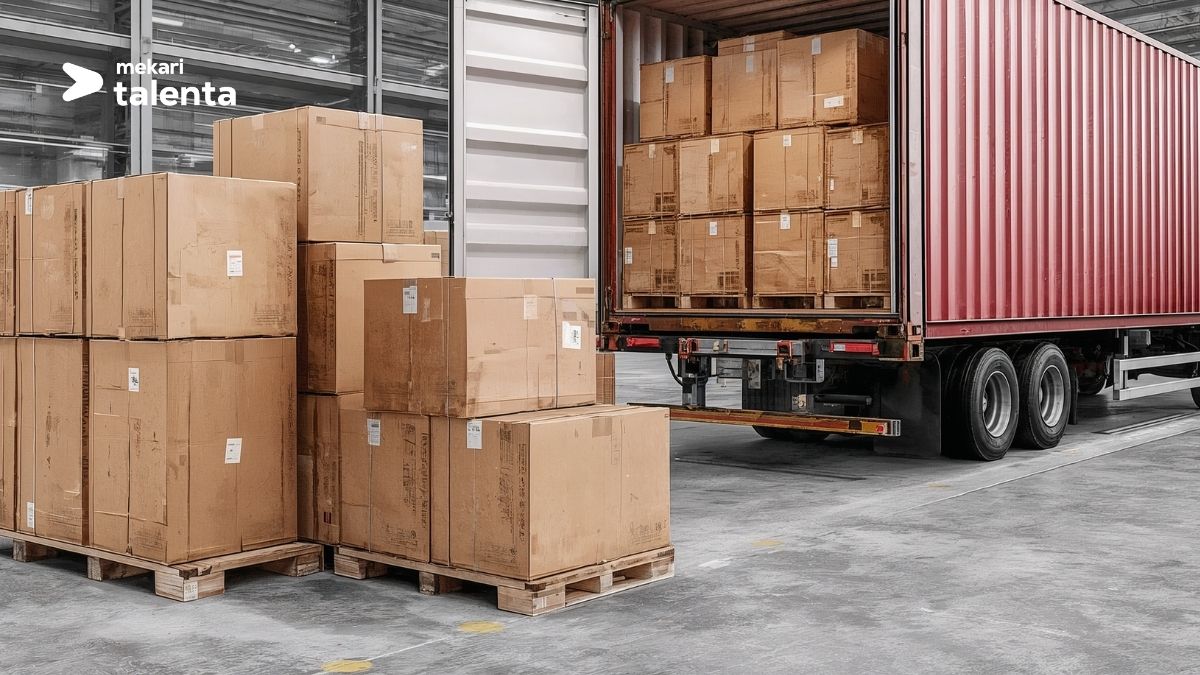
HR teams in logistics companies can apply structured strategies to strengthen workforce management:
1. Standardize Workforce Policies Across Locations
Ensure consistent attendance, overtime, and compensation policies across operational sites.
2. Centralize Workforce Data in One Platform
Eliminate data silos by consolidating attendance, payroll, and employee records.
3. Automate Approval Workflows for Distributed Teams
Structured digital workflows reduce coordination delays between warehouse managers and HR.
4. Monitor Attendance and Shift Patterns in Real Time
Real-time visibility supports operational continuity.
5. Use HR Dashboards for Operational Visibility
Dashboards allow leadership to monitor labor allocation and cost trends centrally.
6. Optimize Shift Scheduling and Workforce Allocation
Data-driven scheduling improves productivity and reduces overtime dependency.
7. Enable Mobile Access for Field-Based Employees
Mobile HR access strengthens workforce communication and transparency.
8. Integrate HRIS with Operational and Finance Systems
Integration eliminates duplicate processes and improves labor cost accuracy.
How Mekari Talenta Supports Workforce Operations in Logistics Companies
In logistics environments, integrated HR features help reduce manual coordination and improve scalability.
Mekari Talenta, part of the Mekari integrated software ecosystem, supports logistics organizations through a centralized HRIS platform.
Mekari Talenta provides features particularly valuable for logistics operations:
- Attendance Management to track shift-based attendance across warehouses, drivers, and field workers in real time.
- Payroll Software to manage complex compensation structures, including overtime and allowances.
- Performance management to evaluate productivity across branches and distribution centers.
- Employee Self Service to enable decentralized workers to access schedules and payslips via mobile devices.
- HR Analytics to provide centralized workforce visibility across locations.
Mekari Talenta supports multi-company and multi-location structures, allowing HR teams to configure organizational hierarchies and job levels across entities.
Role-based access controls ensure secure data governance. Centralized dashboards maintain visibility into distributed workforce operations.
For logistics companies evaluating HRIS for logistic companies, Mekari Talenta helps simplify coordination, reduce data duplication, and improve reporting accuracy.
By integrating HR processes within one scalable platform, organizations can strengthen workforce governance and operational efficiency.
If your logistics organization is exploring structured workforce management solutions, you can schedule a demo with us to learn how Mekari Talenta supports complex workforce operations securely and at scale.
Conclusion
Logistics workforce management involves distributed teams, complex shifts, and strict compliance requirements. As organizations grow, fragmented HR processes create operational risk.
HRIS provides the structured foundation needed to centralize workforce data, automate payroll and attendance, and improve visibility across operations.