



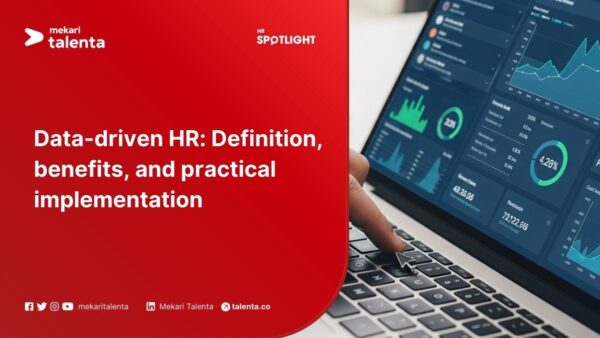
Data-driven HR is an approach to human resource management that uses data and analytics to support HR decisions, strategies, and policies.
Instead of relying solely on intuition, experience, or ad-hoc judgment, HR teams use structured data to understand workforce trends and make more informed decisions.
In a data-driven HR model, everyday HR activities are supported by measurable data. This allows HR leaders to evaluate what is happening in the organization, identify patterns, and take action based on evidence rather than assumptions.
As organizations grow more complex, data becomes increasingly important in HR decision-making. Clear, reliable HR data helps teams respond faster, align HR initiatives with business goals, and communicate insights more effectively to management.
Why Data-Driven HR Matters?
Data-driven HR matters because people decisions have a direct impact on business outcomes. When HR decisions are made without data, organizations risk inconsistency, bias, and slow responses to workforce issues.
More Efficient HR Operations
Using data helps HR teams identify inefficiencies in processes such as recruitment, onboarding, or payroll administration. When bottlenecks are visible, teams can prioritize improvements and allocate resources more effectively.
Faster and More Accurate Decision-Making
Data provides context and clarity. Instead of debating opinions, HR teams can evaluate trends, such as absenteeism or turnover patterns, and make decisions based on what the data indicates. This leads to more consistent and defensible HR decisions.
Better Employee Experience
When HR understands employee behavior and needs through data, policies can be designed more thoughtfully. For example, analyzing attendance or engagement data may highlight workload issues or scheduling challenges that affect employee satisfaction.
Reduced Employee Turnover
Turnover rarely happens without warning. By monitoring attrition data, tenure trends, and engagement indicators, HR teams can identify early signs of risk and take preventive actions before employees leave.
Read more: HR Digital Transformation: A Practical Guide for HR Leaders
Core Components of Data-Driven HR

Implementing data-driven HR requires several foundational components working together.
Employee Data Collection
The first step is collecting accurate and relevant employee data. This includes:
- Employee profiles and job information
- Attendance and leave records
- Performance evaluations collected through a structured performance management system
- Compensation and benefits data
Consistency and data quality are critical, as unreliable data leads to unreliable insights.
Data Analysis and Dashboards
Raw data alone is not enough. HR teams need tools that can analyze data and present it in dashboards or reports. Visualizing trends helps HR leaders quickly understand patterns, compare periods, and communicate insights to stakeholders.
HR Tools and Technology
HR technology plays a key role in data-driven HR. HR systems centralize employee data, reduce manual data entry, and ensure data is updated consistently across HR processes.
Read more: Enterprise HRIS: Managing Multi-Entity Workforce with Centralized Control
How to Implement Data-Driven HR in an Organization
Transitioning to a data-driven HR approach does not require advanced analytics from day one. It starts with clear intent and practical steps.
Define Clear HR Goals and Questions
Begin by identifying what HR challenges the organization wants to address. For example:
- Why is employee turnover increasing?
- Which roles take the longest to fill?
- Where are productivity gaps occurring?
Clear questions guide what data needs to be collected and analyzed.
Choose the Right HR Tools
Select HR tools that support data collection and reporting across multiple HR functions. An integrated HRIS allows data from attendance, payroll, and performance to be connected, reducing data silos and manual reconciliation.
Upskill HR Teams in Data Literacy
Data-driven HR does not mean HR teams must become data scientists. However, they should be comfortable interpreting dashboards, understanding basic metrics, and asking the right analytical questions.
Training and exposure to data tools help HR teams build confidence in using data for decision-making.
Embed Data Into Everyday HR Processes
Data should be part of daily HR operations, not only used for reports. For example:
- Reviewing attendance trends during workforce planning
- Using hiring metrics to refine recruitment strategies
- Monitoring performance data during appraisal cycles
When data becomes routine, data-driven HR becomes sustainable.
Read more: Understanding Global Payroll Management
Examples of Data-Driven HR in Practice

1. Reducing Employee Turnover Using Attrition Data
By analyzing turnover by department, tenure, or role, HR can identify where attrition is concentrated. This insight helps target retention efforts more effectively, such as improving onboarding or adjusting workload expectations.
Improving Hiring Quality Through Recruitment Metrics
Recruitment data such as time-to-hire, source of hire, and early performance outcomes can reveal which hiring channels produce better long-term results. HR teams can then focus resources on the most effective recruitment strategies.
Using Attendance and Performance Data to Improve Productivity
Combining attendance and performance data can highlight patterns that affect productivity. For instance, frequent absenteeism in certain teams may signal scheduling or workload issues that need attention.
Conclusion
Data-driven HR helps organizations make more consistent, objective, and informed people decisions. By using data thoughtfully, HR teams can move beyond reactive problem-solving and contribute more strategically to the business.
Getting started does not require complex analytics. Organizations can begin by reviewing existing HR data and gradually building more structured analysis over time.
Using an integrated HRIS also makes data-driven HR more scalable, allowing HR teams to manage growth while maintaining visibility and control.
With the right mindset, tools, and practices, data-driven HR becomes a practical foundation for better workforce decisions and long-term organizational success.